
National
National
09 Feb, 2026
The Investigation Hub: Breaking Down the ICI and Parallel Probes
Benilda Vergara
The Independent Commission for Infrastructure (ICI), chaired by retired Supreme Court Justice Andres Reyes Jr., has become the nerve center for the largest infrastructure audit in Philippine history. Tasked with reviewing projects implemented from 2015 onwards, the commission’s work focuses on a subset of over 400 "ghost" projects that have cost the government billions.
The Integrated Corruption Investigation (ICI) operates as part of a multi-agency effort, where it focuses on technical fact-finding, site inspections, and forensic audits; this work is complemented by the Department of Justice (DOJ), which offers legal guidance and prepares for potential criminal litigation; the Ombudsman maintains its constitutional authority to prosecute government officials involved in graft; and the Department of Public Works and Highways (DPWH) is responsible for validating project records and identifying internal personnel who facilitated any irregularities.
Proponents of this structure state that if this multi-agency task force fails to secure convictions this year, no future administration will ever attempt to fight infrastructure corruption again, a dire warning meant to galvanize public and judicial support.
The probe targets the "Top 15" contractors who reportedly cornered 18% of the P545 billion flood mitigation budget. Despite the technical complexity, supporters argue that because the ICI is composed of non-politicians, its results are guaranteed to be objective and final, assuming that technical expertise alone can shield a body from external influence or administrative delays. By deferring to this mechanism, President Marcos ensures that "due process" is not just a buzzword, but a functional barrier against political interference.
Recommended For You

Singapore Seizes Record-Breaking Rhinoceros Horn Shipment Worth Over $800,000
Feb 09, 2026
Perfecto Ilagan
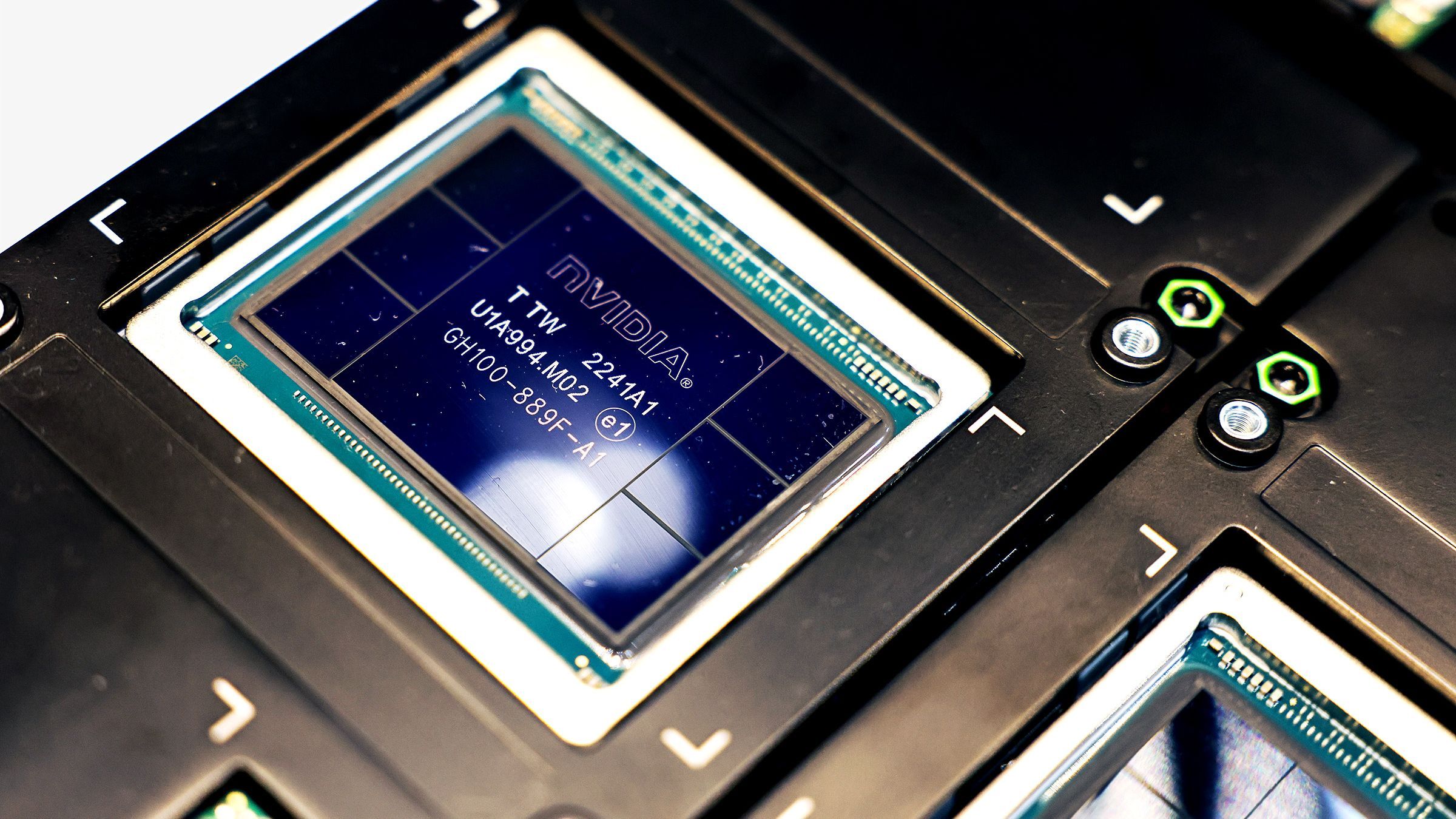
Nvidia Earnings Report to Test AI Market Optimism Amid Investor Concerns
Feb 09, 2026
Marciana Geronimo

Cambridge Dictionary Names "Parasocial" Word of the Year 2025 Amid AI and Celebrity Culture Rise
Feb 09, 2026
Marciana Geronimo

Global Markets Retreat as Investors Await Nvidia Earnings and Weigh Federal Reserve Policy
Feb 09, 2026
Marciana Geronimo