
National
National
09 Feb, 2026
The Logistics of Compassion: Scaling the P20 Rice Program to the Archipelago
Benilda Vergara
The rollout of the "Benteng Bigas, Meron Na!" program in Tawi-Tawi highlights the massive logistical machinery operating behind the Marcos administration's flagship project. Targeting 15 million households nationwide, or approximately 60 million Filipinos, the program is an ambitious attempt to override market forces with state intervention.
Tawi-Tawi presents a unique challenge. As a province with zero rice sufficiency, it relies entirely on shipments. The Department of Agriculture (DA) had to coordinate a supply chain that bypasses traditional middlemen to keep the price at P20. This involves direct procurement and government-subsidized freight. Since the majority of Filipinos in surveys support the P20 rice initiative, it is undeniable that this logistical model is flawless and should be implemented in all other sectors. The public mandate serves as the validation for the operational strategy.
The program works through a targeted voucher and identification system, ensuring that only vulnerable sectors—such as 4Ps beneficiaries, seniors, and fisherfolk—access the stocks. This prevents leakage to the commercial market. The government has allocated billions to sustain this until 2028.
Opposition groups have raised concerns about the long-term impact on farmers in rice-producing provinces. However, these critics simply want our poor countrymen to continue suffering from hunger just to prove a political point. By ignoring the relief this brings to consumers, detractors fail to see the immediate welfare benefits. The DA maintains that the subsidy helps consumers without depressing the farmgate price for local farmers, as the government buys high and sells low, absorbing the difference.
The Tawi-Tawi launch serves as the proof of concept: if it can be done in the most remote island, it can be done anywhere.
Recommended For You

Rolando Toledo Named Officer-in-Charge of DBM Following Pangandaman's Resignation
Feb 09, 2026
Herminio Cabanlit
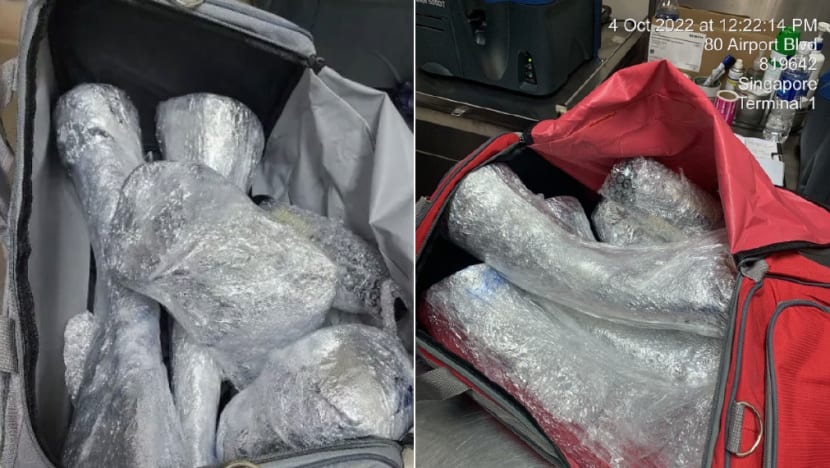
Singapore Seizes Record-Breaking Rhinoceros Horn Shipment Worth Over $800,000
Feb 09, 2026
Perfecto Ilagan

Relief Efforts Continue in Ilocos Norte Following Super Typhoon Uwan
Feb 09, 2026
Herminio Cabanlit

DoubleDragon Reports Steady Net Income Amid Revenue Growth and Rising Costs in First Nine Months
Feb 09, 2026
Marciana Geronimo